
Overview
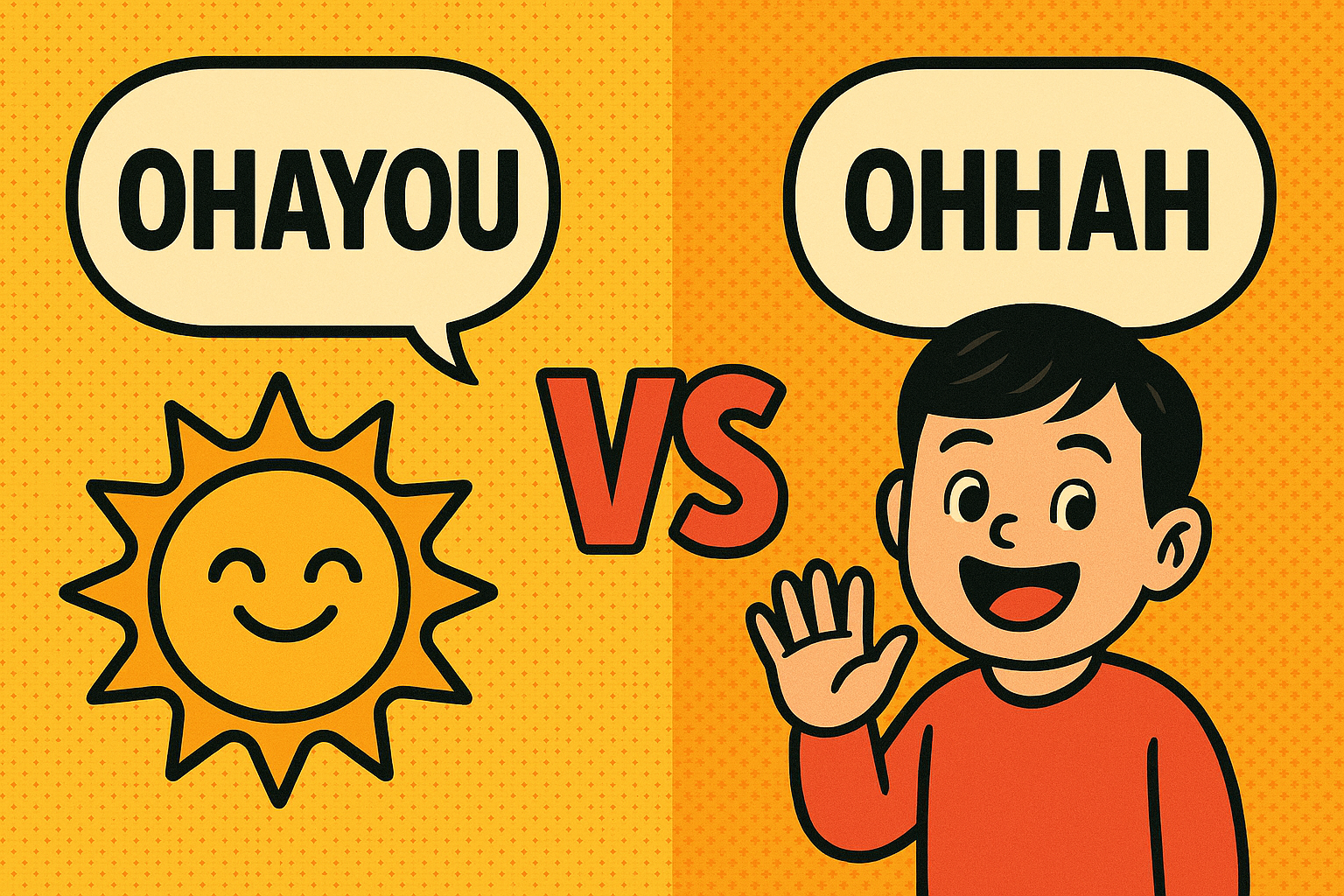
| Summary | In Japanese, “Ohayou” (おはよう) is a casual and friendly way to say “Good morning.” But if you’ve watched Japanese variety shows, especially Oha-Suta or seen Shingo Mama in action, you might have heard the exaggerated, playful version: “Ohhah!” This funky twist on a simple greeting became a pop culture catchphrase, blending real-life language with TV humor. Let’s explore how a basic greeting turned into a comedy goldmine. |
| Phrase 1: Ohayou(おはよう) | Meaning: Good morning Formality: Casual (used with friends, family, coworkers) Extended form: おはようございます (Ohayou gozaimasu) for polite/formal use Pronunciation tip: “O-ha-yo-u” (お・は・よ・う) |
| Phrase 2: Ohhah!(おっはー!) | Meaning: A fun, TV-style twist on “Ohayou” Origin: Popularized by Shingo Mama (a character played by SMAP’s Shingo Katori) on the kids’ show Oha-Suta Tone: Loud, exaggerated, cute, and a bit silly Use Case: Say it jokingly to greet friends, especially if you’re trying to be playful or nostalgic. Great for memes, TikToks, or morning Zoom calls. |
| Genre | Real-life Japanese × Pop Culture Phrase |
| Typical Age Group | Kids to adults (5–40+). “Ohhah” was especially big in the 2000s. |
| Audience | Japanese learners, pop-culture fans, people interested in daily phrases with a twist. |
| Relevance | “おっはー!” still brings nostalgic vibes for people who grew up in the late ’90s and early 2000s in Japan. It resurfaces on social media and is sometimes referenced in commercials, memes, or comedic skits. “Ohhah!” is also a fun way to show your playful side when learning or using Japanese. |
| When to Use | “Ohayou” → everyday, real-life greetings “Ohhah” → casual jokes, nostalgia, kids’ shows, playful situations |
| Cultural Note | Shingo Mama’s “Ohhah!” was so popular it won the New Word/Buzzword Award (流行語大賞) in 2000. It was even part of a social campaign encouraging kids to say “good morning” to family members. While the word itself is silly, it played a real role in shaping language habits among children—and still holds nostalgic power in Japanese pop culture today. |